
Build an approval‑ready credit profile
Understand what’s driving your credit decisions, identify items that may be unfair or inaccurate, and take a structured next step toward stronger approvals and better terms.
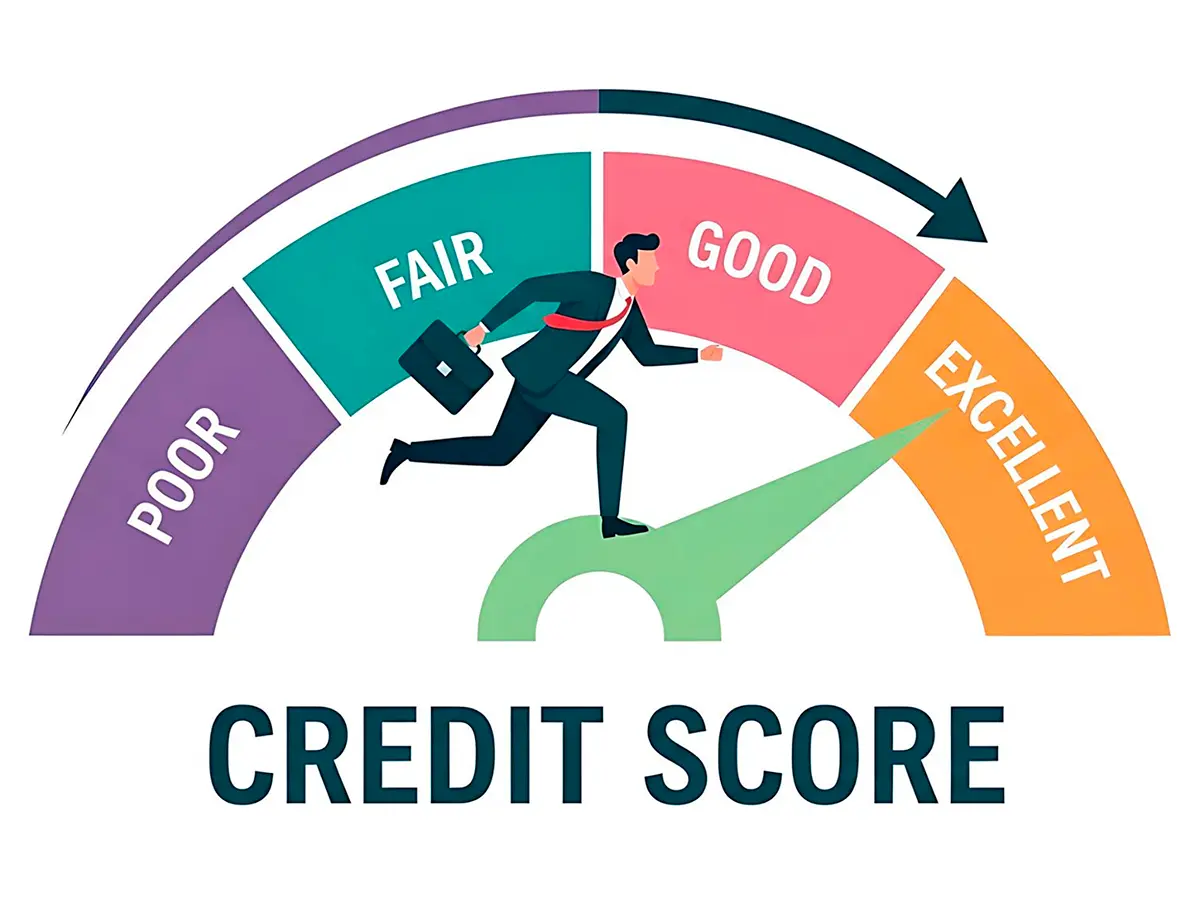
Built around established U.S. credit reporting practices and dispute procedures under the Fair Credit Reporting Act (FCRA). No unrealistic promises—just clarity, documentation, and structured credit improvement.
Unlock more options
Choose the outcome you care about. We’ll outline what improves it—and what to watch for—so you can move forward with confidence.
Your path to stronger credit
A stronger credit profile can mean better approval odds, improved loan terms, and more financial flexibility. Get a clear, no-fluff overview of what credit improvement can help you achieve — then take the next step when you're ready.
Credit decisions in the U.S. are typically influenced by payment history, utilization ratios, account age, recent inquiries, and the accuracy of reporting across major credit bureaus.
Even small inconsistencies can affect lending algorithms. A structured credit improvement approach focuses on verified data, responsible usage patterns, and consistent financial behavior.
*Results vary. This page does not guarantee outcomes.
How it works
A straightforward workflow used by reputable credit‑support programs: review, challenge what’s questionable, and build stronger habits while updates are processed.

Review your starting point
Clarify your goal and look at what’s currently affecting approvals and terms.

Identify what can be challenged
See what information is typically needed, what to expect next, and how the workflow usually looks.

Move forward
Continue to explore available options and take the next step toward better credit outcomes.
credit repair seattle: a calm, advanced path to a cleaner report
You want debt errors fixed and scores that open doors - not a tangle of tricks. First instinct might be to hire someone fast. Second thought: a simpler, aware approach often works better, and you can lead it yourself with a few advanced touches.
What actually needs repair in Seattle
Look for items that unfairly suppress your score before you chase every negative mark. In a city where landlords, auto lenders in SODO, and tech employers often screen credit, precision matters more than volume.
- Clear inaccuracies: wrong balances, dates, or late payments you never made.
- Obsolete data: most negatives should fall off after about seven years; confirm reported "date of first delinquency."
- Duplicates: the same collection listed by both the original creditor and a collector.
- Identity mix-ups: common after multiple apartment moves; verify addresses and name variations.
- Medical collections: paid medical debt and many under $500 no longer appear with the major bureaus.
- Utilization pressure: high Seattle costs can spike card balances; lowering utilization can move scores faster than disputing borderline items.
Simple path, advanced care
- Pull full data: Get free reports from all three bureaus at AnnualCreditReport. Consider requesting LexisNexis and ChexSystems files if you've had ID or banking issues.
- Mark only fix-worthy targets: Errors, duplicates, and outdated negatives first. Leave accurate, recent delinquencies for later strategy.
- Dispute with evidence: Send factual, itemized disputes to each bureau. Include statements, payment confirmations, or correspondence. Keep copies. The bureaus generally have ~30 days to investigate.
- If verified but wrong: Ask for "method of verification." If the furnisher can't substantiate, escalate with a direct furnisher dispute (sometimes called a 623 dispute) and, if needed, a CFPB complaint.
- Goodwill where human: A single late with a local credit union or long-standing issuer may be waived via a courteous goodwill letter - especially after months of spotless payments.
- Negotiate carefully: For collections, get terms in writing before paying. In Washington, many consumer debts face a six-year window for lawsuits; do not restart clocks unintentionally. Consider advice if unsure.
- Build positives: Add a secured card from a local CU, keep utilization under 10 - 30%, and report rent if your landlord supports it. Auto-pay minimums to prevent future lates.
- Monitor and pace: Track updates monthly; big jumps often trail action by a cycle or two.
A moment on the ground
At a Ballard coffee bar before a tour in Capitol Hill, you check pre-approval and see a tiny paid collection still reporting. You email the collector for written confirmation, submit a clean dispute with proof, then set a payment alert to keep your card under 10% utilization before the next statement closes.
Timing, rights, and expectations
Investigations usually wrap in 30 - 45 days. Accurate negatives age off over time; the curve softens well before the drop-off date if you're building positives. If a collector threatens suit, respond promptly; Washington timelines can be strict. This isn't legal advice - verify specifics before acting.
If you want help
Nonprofit credit counseling in Seattle can map budgets and debts without pressure. If you consider a firm, look for transparent fees, no "guarantees," and documentation-first processes. Or keep it DIY with a simple tracker, monthly disputes where justified, and steady utilization management.
Awareness first, simplicity always. You make fewer moves - but each one counts more.
BBB Directory of Credit Repair Services near Seattle, WA. Your guide to trusted BBB Ratings, customer reviews and BBB Accredited businesses.
Trusted credit repair experts helping you fix bad credit and raise your credit score since 1993. We create a personalized credit repair plan for you.
We'll create a custom, in-depth credit strategy suited to fit your specific goals. Click "Get Started" to schedule a FREE consultation with Jesse.
Frequently asked questions
A clear next step — without the guesswork
See what’s impacting approvals and what may deserve a closer look.
Understand how disputes are structured and what documentation matters.
Improve utilization, consistency, and long-term credit stability.
See what improving your credit could change
Take a structured next step based on your current profile — and decide with clarity.